


This week’s Digital Health Observer looks at the campaigns and shifts making health marketing sharper. The Ordinary won the Cannes Lions 2026 Health and Wellness Grand Prix for ‘The Periodic Fable’, a campaign that skewers the unscientific buzzwords beauty brands lean on, healthcare websites are warned they could go invisible as AI search summarises their content before anyone reaches the page, and the ACCC has penalised disability provider WeFlex over a misleading NDIS funding claim in a social ad. Plus Quit’s new anti-vaping push with Spark Foundry, fresh Syneos Health and Harris Poll data on where consumers now place their trust, and the case for marketing healthcare less like B2B SaaS.
The Ordinary Wins Cannes Health and Wellness Grand Prix for ‘The Periodic Fable’

The Ordinary took the Cannes Lions 2026 Health and Wellness Grand Prix for ‘The Periodic Fable’, a campaign that turns the periodic table into 49 skincare buzzwords like ‘medical grade’ and ‘age-defying’ that lack scientific backing. The format is used to show how beauty marketing jargon can mislead consumers. Read more →
Why Healthcare Websites Could Become Invisible in AI Search
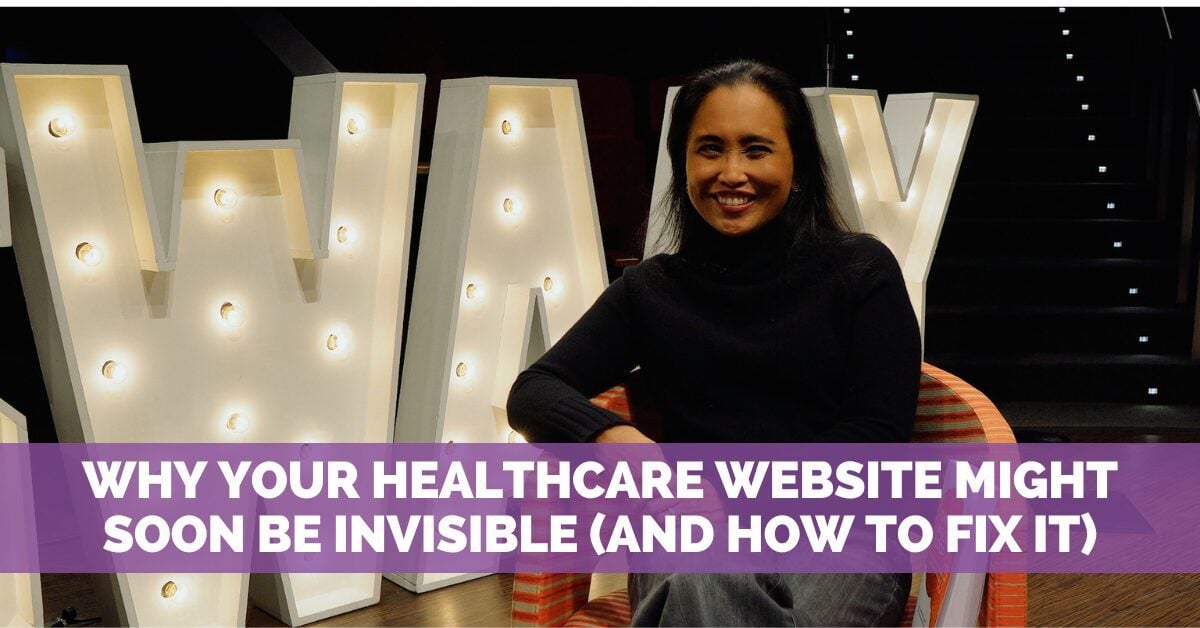
AI search tools now read and summarise healthcare content before a patient ever reaches a website, which can leave brand pages unseen in the results. Structuring health content for how these tools interpret and surface it is becoming essential to staying visible in AI-generated search. Read more →
Quit Launches Anti-Vaping Campaign With Spark Foundry
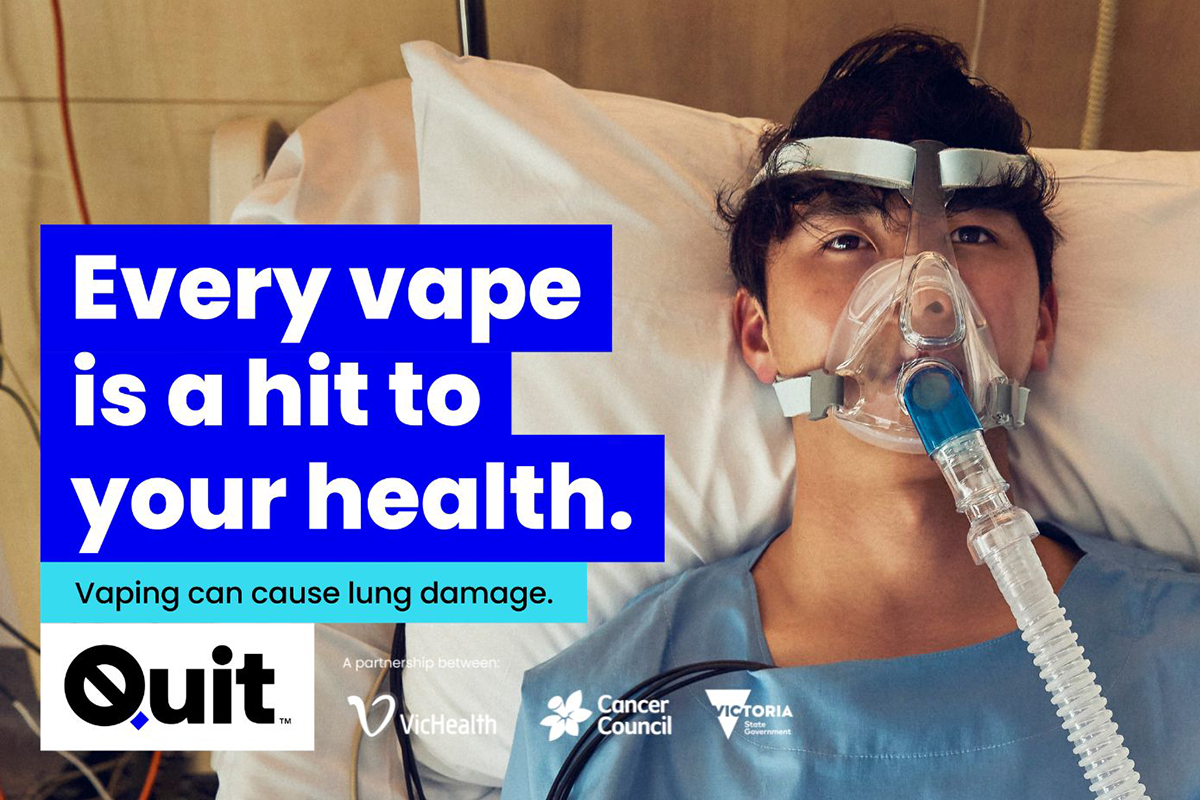
Quit, a Cancer Council Victoria program, has launched ‘Every Vape Is a Hit to Your Health’, built on real stories of vaping harm like breathing difficulties and nicotine addiction. Spark Foundry runs it across social, programmatic out-of-home, ride-share and mobile to reach Victorians aged 18 to 39 where vaping is normalised. Read more →
WeFlex Penalised Over Misleading NDIS Funding Claims in Social Ad
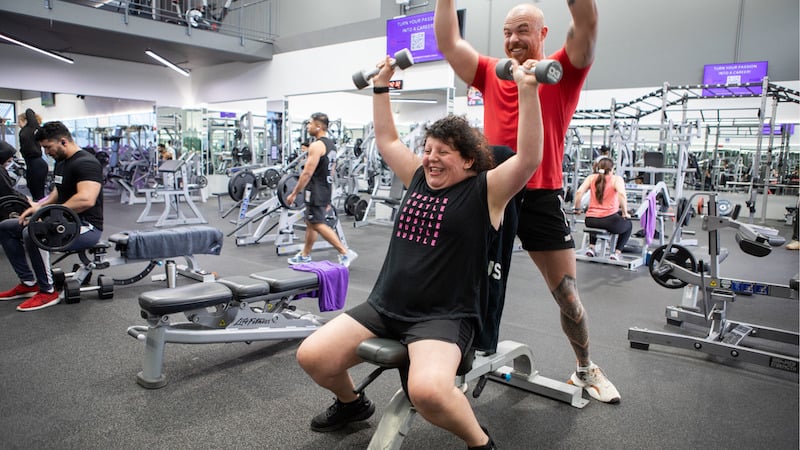
The ACCC penalised WeFlex $19,800 over a Facebook and Instagram ad claiming ‘If you have NDIS funding, it’s covered’ for its disability personal-training services. Regulators found the blanket funding claim misleading, as the NDIS only covers services approved under each participant’s individual plan. Read more →
Syneos Health-Harris Poll: Emerging Media Taps Consumer Trust

A Syneos Health and Harris Poll of 1,510 consumers found 84% use emerging media like social, podcasts and independent newsletters for news weekly, and 44% treat it as their main source. It also found 61% prefer information framed around ‘common sense’ over data and science. Read more →
Stop Marketing Like B2B SaaS: Healthcare’s Aerospace Playbook

Healthcare companies selling into small, high-stakes markets are urged to drop the broad lead-generation playbook borrowed from B2B SaaS. The aerospace comparison points to a better fit: prioritise brand reputation and high-impact sales support, and market to the multi-party buying committees behind every purchase. Read more →
Related Posts
Week 40 Health Digital Marketing Newsletter
This week's Digital Health Observer covers Four Seasons Naked Condoms' AI-generated 'Rise of the STIs' campaign, which sent giant STI monsters through Sydney and lifted...
Read MoreWeek 39 Health Digital Marketing Newsletter
This week's Digital Health Observer covers the 2026 Edelman Trust Barometer, which polled 12,998 adults across 13 countries including Australia and found 49% of AI...
Read MoreWeek 38 Health Digital Marketing Newsletter
This week's Digital Health Observer covers how Strava's CMO keeps one brand identity working for casual dog walkers and ultramarathoners alike, with marketing and product...
Read More
Join the Newsletter
Want quick and digestible insights, delivered fortnightly to your inbox?
Our newsletter will keep you up to speed with the latest updates and opportunities in your industry.